Essential Advice for Crafting Your Birth Plan With a Doula
Formulating a maternity plan with a labor coach is a crucial undertaking for parents-to-be. It empowers them to voice their choices and ready themselves for different scenarios. Open communication and teamwork are key to ensuring that the plan conveys their objectives. By comprehending the essentials of a birth plan, parents can traverse the complexities of labor with confidence. What are the primary facets that should not be disregarded?
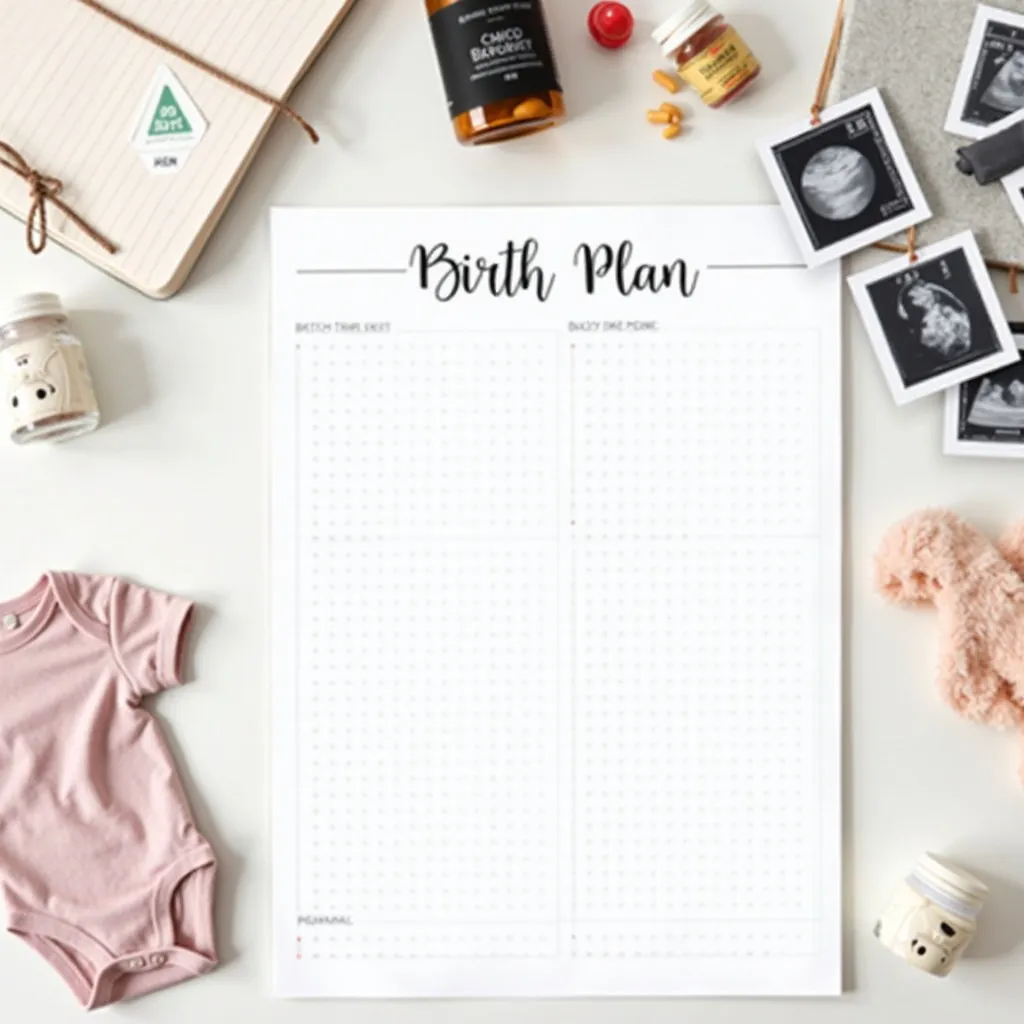
Why a Doula Is Critical for Your Birth Plan
Although many expectant parents might view their birth plan a straightforward checklist, the incorporation of a doula can convert this document into a comprehensive roadmap for a positive birthing experience. Doulas provide psychological and bodily assistance, helping parents articulate their preferences and manage the complexities of labor. Their expertise can improve dialogue between the birthing team and the parents, ensuring that everyone is aligned with the birth plan.
A doula's presence may diminish anxiety, providing reassurance and comfort in labor. They also empower parents by offering evidence-based information, allowing informed decisions. Additionally, a doula can assist with pain management techniques and promote a supportive environment, which can lead to improved outcomes. By incorporating a doula into the birth plan, expectant parents can create a more tailored and supportive framework, fostering a positive atmosphere that prioritizes both the emotional and physical well-being of the birthing individual.
Fundamentals of a Birth Plan
A carefully organized birth plan serves as an essential roadmap for expectant parents, outlining their preferences and expectations for childbirth. It should begin with the basics, including the birthplace, whether it be a hospital, birthing center, or home. Parents should consider their desired support team, detailing who will be there during labor and delivery.
Moreover, the birth plan needs to address pain management techniques, including medication choices or alternative methods such as breathing methods and hydrotherapy. Additionally, it is important to communicate preferences about interventions, like episiotomy or the use of forceps.
Parents need to review newborn care preferences, such as skin-to-skin contact and breastfeeding intentions. Finally, the plan should be open-ended, recognizing that circumstances can change during labor. Consulting a doula can help ensure that the birth plan reflects the family's values while remaining open-minded to the unfolding experience.
Important Aspects to Evaluate in Your Birth Plan
What elements should parents-to-be prioritize when creating their birth plan? Fundamentally, understanding their tastes pertaining to pain management is necessary. They should evaluate options such as epidurals, natural methods, or a combination. jump in Additionally, the environment where the birth will take place—hospital, birthing center, or home—should harmonize with their values and comfort levels.
A subsequent important dimension is the role of supportive individuals function during labor, such as significant others, family, and doulas. Parents ought to discuss how they envision these people playing a role in the birth process.
In addition, parents should review their desires for clinical procedures, such as the use of induction, continuous monitoring, or operative delivery. Finally, it's necessary to contemplate post-birth plans, including kangaroo care and breast or bottle decisions. By giving priority to these key points, expectant parents can establish a comprehensive birth plan that reflects their priorities and vision.
Stating Your Preferences Explicitly
Effectively conveying wishes is crucial for expectant parents creating their birth plan. Explicit expression of wishes helps guarantee that everyone involved—medical staff, partners, and doulas—understands the parents' perspective for the birthing experience. Parents can start by listing their key concerns, such as methods for pain relief, birthing positions, and immediate post-birth procedures. Using direct language and steering clear of ambiguous terms can improve understanding.
Visual components or written texts may facilitate in presenting key preferences succinctly. Parents should also reflect on discussing their choices in a serene and poised manner, nurturing an milieu of mutual support and regard. It is important to remember that adaptability may be necessary, as circumstances can change during labor. By establishing clear communication from the start, expectant parents can create a supportive atmosphere that honors their wishes while proving open to the changeable nature of childbirth.
Speaking About Your Choices and Circumstances With Your Doula
How can prospective mothers and fathers ensure their wishes are fully understood by their birth coach? Transparent communication is essential. Parents should schedule specific moments to discuss their birth preferences, ensuring a thorough understanding of their desires and concerns. This conversation should cover various scenarios, including methods for managing discomfort, birthing positions, and immediate postpartum care.
Moreover, parents can compose a written document outlining their inclinations, which functions as a resource for both the doula and the medical team. This document should be flexible, enabling alterations as circumstances progress during labor.
Participating in different scenarios can be advantageous; it helps parents express their needs while preparing for unexpected situations. In the end, regular check-ins with the doula throughout the pregnancy can strengthen understanding, building a supportive partnership that emphasizes the parents' vision for their birth experience. Open dialogue lays the foundation for a positive and empowering birth journey.
Frequently Inquired Questions
Can a Doula Help With Postpartum Care?
Doulas can provide significant postpartum support, offering emotional support, hands-on assistance, and information for new parents. Their involvement helps navigate the challenges of early parenthood, fostering a smoother progression into family life.
What Should I Consider When Selecting My Doula?
Selecting an suitable doula means considering qualifications, experience, compatibility, and personal philosophy. Interviews and references are essential to secure a good match, as comfort and trust play critical roles in the birthing experience.
What if My Delivery Strategy Shifts Unexpectedly?
When a birth plan changes unexpectedly, adaptability is essential. Accepting flexibility enables parents to manage unforeseen circumstances, guaranteeing they stay knowledgeable and supported by their doula, who can offer guidance and reassurance throughout the process.
Do Doulas have training in Medical Procedures?
Doulas are not trained in clinical techniques; their role centers around psychological and bodily assistance throughout childbirth. They offer soothing techniques, information, and advocacy, guaranteeing a favorable delivery outcome while collaborating with healthcare providers.
What is the average price of hiring a doula?
A doula usually charges between $800 and $2,500, based on elements like experience, location, and services offered. This investment often includes prenatal meetings, ongoing labor assistance, and postpartum support, improving the birthing experience.